ChaiViz
06.12.2025
Reviews
New Games 2025: December Week 1 Highlights
Welcome back to another weekly gaming roundup as December kicks off with a surprisingly diverse slate of releases. This week delivers everything from hardcore roguelike action to atmospheric sci-fi horror, plus the latest expansion for one of gaming's most punishing franchises. Before we explore this week's new games 2025 lineup, make sure to check out our esports predictions and analysis for comprehensive tournament coverage across Dota 2 and Counter-Strike 2. Let's examine what dropped this week and catch up on the major industry developments shaping gaming's future.
Game Releases
Let It Die: Inferno
Platforms: PC, PS5
Release Date: December 3, 2025
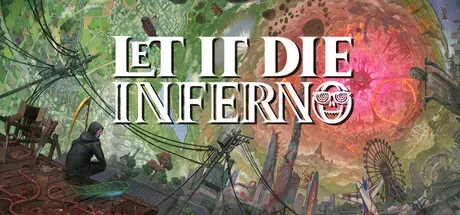
The folks behind the cult favorite Let It Die are back with Inferno, and they're doubling down on everything that made the original such a wild ride. This roguelike survival action game throws you into Hell Gate, a massive chasm that mysteriously opened up after Earth recovered from the apocalyptic Earth Rage event. Naturally, humanity's response to discovering a bottomless pit filled with nightmarish creatures was to jump right in because rumors suggest an impossibly valuable resource lies at the bottom.
You play as a Raider, one of the immortal adventurers who can die repeatedly without permanent consequence. Death means losing your current Body and all carried items, but your Spine retains all mastery abilities you've developed. The game employs a roguelike structure where each descent features randomized enemy placements and loot distribution, keeping every run unpredictable.
Combat revolves around dual-wielding mechanics where you equip weapons separately in each hand. Players can switch between left and right loadouts tactically or use both simultaneously to perform guard breaks that leave enemies vulnerable to flashy finishing moves. Weapons and armor come with randomized traits, making each piece of gear a potentially unique discovery worth building strategies around.
The PvEvP element adds tension beyond typical roguelike encounters. Fellow Raiders can turn hostile, and Escape Pods offering the only exit from Hell Gate are limited. Everyone needs SPLithium to leave, and since every enemy carries some, the survival calculus becomes brutally simple. The game also features Death Jamboree, a dedicated PvP mode for players seeking pure competitive combat.
Perhaps most intriguing is the seasonal reincarnation system. When each season ends, the entire world resets, bringing new equipment, enemies, and environments. Your progress, inventory, and Raider Rank all reset, though purchased content and Death Metal persist. This creates a perpetual evolution that should keep the experience fresh for dedicated players willing to embrace that kind of commitment.
OCTOPATH TRAVELER 0

Platforms: PC, Nintendo Switch, Switch 2, PS5, Xbox Series X/S
Release Date: December 4, 2025
Square Enix is taking the beloved OCTOPATH TRAVELER series in a fascinating new direction with this prequel entry. Returning to the realm of Orsterra, this installment tells a story of restoration and retribution centered around divine rings, maintaining the franchise's signature HD-2D aesthetic that blends retro pixel art with modern 3DCG presentation.
The major innovation here is character creation. Rather than selecting from pre-designed protagonists, you craft your own character with customizable appearance, voice, motion sets, and even favorite dishes. This represents a significant departure from the series formula while maintaining the core Path Actions system that lets players roleplay through various approaches to NPC interactions.
Town building emerges as another fresh mechanic. You'll restore your hometown throughout the adventure, inviting companions and allies to populate your growing settlement. This progression system adds a tangible sense of impact beyond typical JRPG narratives where your influence on the world often feels abstract.
The combat system retains the Break and Boost mechanics that fans appreciate while expanding party possibilities dramatically. You can form parties of up to eight characters drawn from a roster exceeding 30 allies. Strategic depth comes from the new skill system where action skills learned by one ally can be passed to others, enabling complex synergy builds.
Path Actions remain central to gameplay, allowing you to recruit townspeople, initiate battles, and acquire items through player choice rather than scripted sequences. The freedom to explore and interact on your terms has always been an OCTOPATH hallmark, and this entry appears to expand that philosophy.
This prequel positioning suggests Square Enix is confident enough in the property to explore its lore foundations while simultaneously modernizing elements that might attract newcomers intimidated by the previous games' rigid structure.
ELDEN RING NIGHTREIGN: The Forsaken Hollows
Platforms: PC, PS5, PS4, Xbox Series X/S, Xbox One
Release Date: December 4, 2025
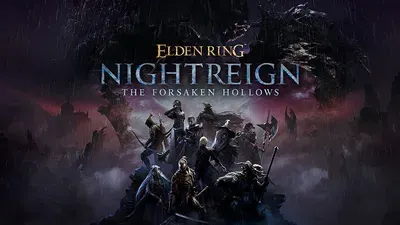
FromSoftware continues expanding the ELDEN RING NIGHTREIGN experience with The Forsaken Hollows, the latest DLC delivering additional content for players still hungry for punishment. This expansion arrives as part of the Deluxe Upgrade Pack and represents the ongoing support for what's become one of the studio's most ambitious multiplayer experiments.
The Forsaken Hollows introduces two additional Nightfarers to the playable roster, expanding tactical options for teams tackling the time-limited runs that define Nightreign's structure. These new characters should provide fresh approaches to the collaborative survival gameplay that distinguishes this entry from the original Elden Ring's solo-focused design.
Two Day Three Bosses join the encounter rotation, representing the endgame challenges that teams must overcome before their three-day cycle expires. Anyone familiar with Nightreign knows Day Three encounters separate competent groups from truly coordinated teams. Additional difficulty at this stage suggests FromSoftware wants to maintain pressure on veterans who've mastered the base content.
The expansion also brings an Additional Shifting Earth, referring to the procedurally generated map sections that change with each run. More environmental variety addresses one of the community's main concerns about repetition across multiple sessions.
The Deluxe Upgrade Pack includes a Digital Artbook and Mini Soundtrack, though these remain exclusive to this tier until the DLC launches. FromSoftware's approach to post-launch content continues emphasizing meaningful gameplay additions rather than cosmetic fluff, which players generally appreciate even when it means paying for substantial expansions.
ROUTINE
Platforms: PC, Xbox Series X/S
Release Date: December 4, 2025
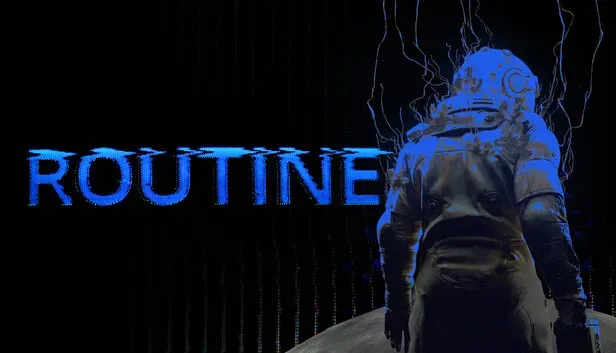
After years of anticipation, ROUTINE finally arrives to deliver its take on first-person sci-fi horror set within an abandoned lunar base conceived through an 1980s retrofuturistic lens. The premise is straightforward: you're investigating why a lunar installation went completely silent, but naturally, the situation devolves into survival horror when you discover you're not alone.
The game distinguishes itself through commitment to immersive sim principles. Full body awareness means you see your character's limbs and body when looking down, maintaining spatial presence. Diegetic audio ensures all sounds originate from within the game world rather than external UI elements. The minimal interface philosophy extends to navigation, as ROUTINE deliberately avoids waypoint markers or objective indicators. Finding your path forward requires observation, environmental storytelling, and careful review of discovered data logs.
Your primary tool is the Cosmonaut Assistance Tool, serving multiple functions from terminal access to environmental navigation and clue identification. In desperate situations, you can attempt using it as a makeshift weapon, though the game clearly frames this as a last resort rather than a combat-focused approach.
The lunar base itself offers environmental variety spanning deteriorating living quarters, tram stations connecting different sectors, and an abandoned mall that promises to deliver unsettling atmosphere through familiar commercial spaces rendered desolate. The enemy presence remains deliberately vague in official descriptions, maintaining mystery about what exactly hunts you through these corridors.
The development history makes this release particularly notable. Originally announced over a decade ago, ROUTINE became one of those projects that seemed destined to join the pantheon of promising indie horror games that never materialized. Its actual release represents both vindication for patient fans and a test of whether the vision can match the hype accumulated across years of anticipation.
Happenings in the Gaming World
IO Interactive Confirms Next Hitman Following 007 Launch
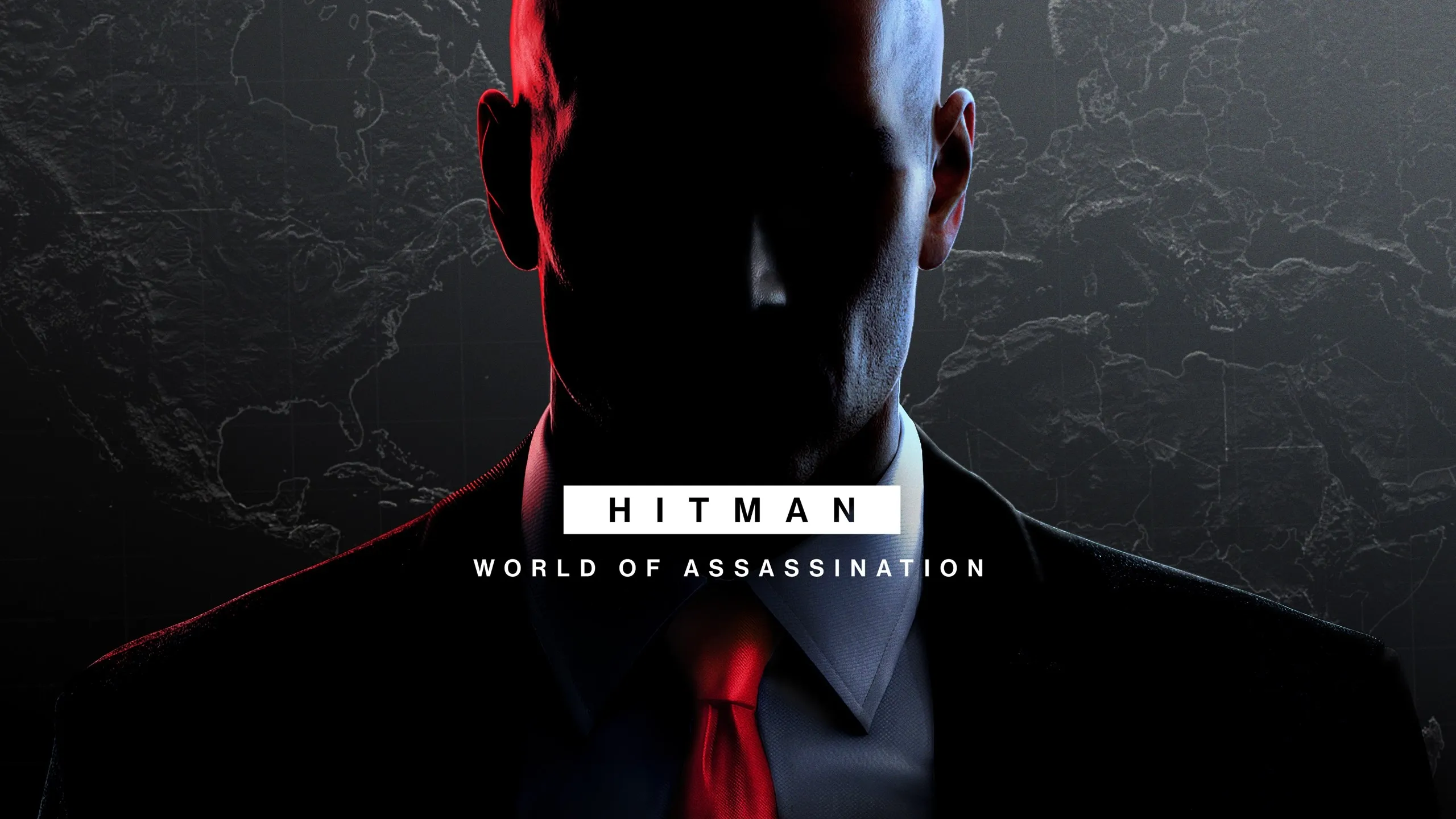
The developer behind Agent 47's murderous escapades has made its franchise intentions crystal clear. IO Interactive CEO Hakan Abrak spoke with Variety about the studio's long-term plans, confirming that another Hitman game will follow 007 First Light's release.
Abrak's comments reveal a strategic roadmap for the franchise. First comes the cooperative mode announced during IO Interactive's showcase this past June, though no release date currently exists. The co-op expansion will introduce new mechanics and combinations within the World of Assassination framework, representing a significant evolution for a series traditionally focused on solitary assassination.
After cooperative features land, IO Interactive plans to discuss the next mainline Hitman entry. Abrak emphasized this as inevitable rather than conditional, suggesting internal development may already be underway even as the studio focuses publicly on nearer-term releases.
The 007 franchise represents IO Interactive's sole external licensed property, with Abrak indicating the studio likely won't pursue additional third-party IPs after Bond. This decision makes sense given IO Interactive spent 25 years refining the agent fantasy through Hitman, making James Bond a natural extension rather than a departure from their core competency.
Abrak also mentioned Project Fantasy, the studio's multiplayer fantasy title currently in development. Details remain scarce beyond its multiplayer focus and fantasy setting, but Abrak's description as "extremely ambitious" and "something else than a gun in a suit" suggests IO Interactive wants to prove their design philosophy translates beyond assassination sandboxes.
CD Projekt Aims for Six-Year Witcher Trilogy Timeline
CD Projekt CEO Michał Nowakowski outlined ambitious plans for the next Witcher trilogy during the company's Q3 2025 earnings call, confirming the developer intends to release three games across a six-year period.
The accelerated schedule stems partly from CD Projekt's switch to Unreal Engine 5 for The Witcher 4. Nowakowski expressed satisfaction with Epic Games' engine development and how the studio is adapting it for massive open-world construction. The hope is that abandoning their proprietary REDengine will enable shorter development cycles for subsequent trilogy entries.
However, Nowakowski clarified The Witcher 4 won't launch in 2026 despite being in full-scale production. This means the game will have spent over a decade in development since The Witcher 3's 2015 release, raising questions about how realistic the six-year trilogy timeline actually is.
The math suggests CD Projekt expects three-year development cycles after The Witcher 4 establishes foundations in Unreal Engine 5. Whether moving between trilogy entries proves faster than the initial engine transition remains speculative. Studios frequently underestimate sequel development timelines, assuming technology and workflow improvements will accelerate production more than they actually do.
CD Projekt is simultaneously developing The Witcher 1 remake using Unreal Engine 5, though Nowakowski noted only a limited team is allocated to that project while The Witcher 4 remains the priority focus.
Saudi Arabia Takes Controlling Stake in EA Through Buyout

Regulatory filings examined by The Wall Street Journal reveal the ownership structure of Electronic Arts following its proposed 55 billion dollar acquisition by a consortium including Saudi Arabia's Public Investment Fund, Silver Lake, and Affinity Partners.
The Saudi PIF will own 93.4 percent of EA after the transaction completes, with Silver Lake holding 5.5 percent and Affinity Partners taking 1.1 percent. This ownership distribution places enormous financial responsibility on the PIF, which currently has 5.2 billion dollars invested in the publisher but will need approximately 29 billion dollars to finalize the deal. The acquisition also involves 20 billion dollars in debt.
The timing raises concerns given recent New York Times reporting suggesting the Saudi PIF faces financial strain from numerous investments across various sectors. Sources indicate the PIF has informed investors it's essentially unable to allocate funds to future investments despite holding up to one trillion dollars in assets. A significant portion of those assets reportedly consists of hard-to-sell holdings without public valuations.
The report frames the EA acquisition as driven largely by personal interests of Saudi Prince Mohammed bin Salman rather than sound investment strategy. This adds another data point to ongoing discussions about sovereign wealth funds pursuing gaming acquisitions more for prestige and soft power than financial returns.
The deal's completion depends on regulatory approval, and the ownership concentration in a single sovereign fund could face scrutiny from antitrust authorities concerned about market consolidation and foreign control of major entertainment properties.
That wraps up this week's gaming coverage! What caught your attention from this batch of releases? If you're more interested in competitive gaming, we've got you covered with comprehensive esports analysis. Check out our tournament predictions for Dota 2 and Counter-Strike 2, or try our Pick'ems system where you can predict match outcomes and win expensive items and skins from the Steam marketplace. Give it a shot!
ChaiViz
06.12.2025
Reviews
Blog TAGS
New Games 2025
Let It Die Inferno
Octopath Traveler 0
Nightreign The Forsaken Hollows
ROUTINE
News Feed
Loading...
Loading...
Loading...
Loading...
Loading...
Loading...
Loading...
Loading...
Loading...
Loading...