
ChaiViz
14.02.2026
Reviews
New Games 2026: February Week 2 Spotlight
Welcome back to our weekly gaming roundup! February continues to deliver fascinating variety, from blood-soaked Spanish horror to turn-based feline tactics that might consume your entire year. Before we explore this week's new games 2026 releases, make sure to check out our esports predictions and analysis for comprehensive tournament coverage. Beyond the games themselves, the industry faced serious questions about AI's role in game development, plus major updates to Discord's safety features. Let's break down what matters.
Game Releases
Crisol: Theater of Idols
Platforms: PC, PS5, Xbox Series X/S
Release Date: February 10, 2026
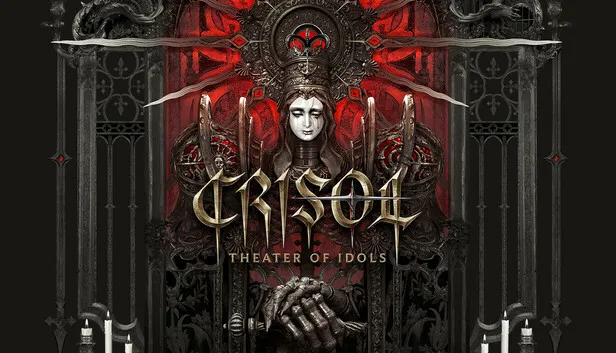
Hispania beckons with promises of terror and divine purpose. This survival horror adventure transforms Spain into a nightmarish realm where Gabriel, a soldier blessed and cursed with the ability to weaponize his own blood, must complete a mission from the Sun God himself. The premise alone suggests we're dealing with something far removed from conventional horror tropes.
The blood mechanics present a brutal risk-reward system that elevates tension beyond typical resource management. Every shot fired depletes your life force, transforming combat into a desperate calculation of whether eliminating that enemy justifies potentially bringing yourself closer to death. You'll navigate through Tormentosa, a cursed island hiding twisted folklore beneath its deceptively beautiful landscapes. The architecture ranges from crumbling grand ruins to labyrinthine streets, each location peeling back layers of cults and blood sacrifice that shaped this cursed place.
Upgrading your blood powers becomes essential for survival. Enhanced lethality, extended combat duration, and combat bonuses all factor into your progression path. You'll collect coins during exploration to improve traditional weapons as well, giving you options beyond the blood-draining firearms. The narrative weaves historical events with folklore and religious undertones, creating an atmosphere where staggering statues spring to life and reality fractures into nightmare. This fusion of cultural horror elements with action-focused gameplay could distinguish Crisol from the crowded survival horror market.
Mewgenics
Platforms: PC
Release Date: February 10, 2026
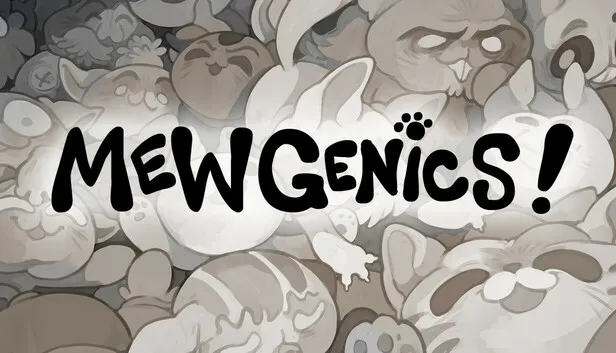
Edmund McMillen and Tyler Glaiel have crafted something magnificently bizarre. This turn-based cat tactics and breeding roguelite asks a question nobody knew they needed answered: what if you could breed mutant warrior cats and send them on tactical adventures? The concept sounds absurd until you dig into the systems driving this 200+ hour campaign.
Boon County becomes your breeding ground and tactical headquarters. Each day you'll assemble teams from your growing feline army, outfit them with class-specific collars spanning Fighter, Tank, Mage, and numerous other specializations, then deploy them into turn-based encounters that demand careful positioning and environmental manipulation. The combat depth reveals itself through over 1,000 unique abilities (75 per class alone) and 900+ items that create endless tactical variations.
The breeding mechanics transform this beyond typical roguelite progression. Cats return home carrying scars, experience, and sometimes additional heads. These mutations and strange skills pass to future generations, letting you tinker with bloodlines and genetic quirks to build increasingly powerful and bizarre warriors for subsequent adventures. The scope feels almost overwhelming: 200+ enemies and bosses, 10+ character classes, roguelite progression ensuring no two campaigns match.
Mewgenics welcomes newcomers through straightforward early runs before gradually revealing its complexity. Soon you'll optimize breeding chains, discover devastating ability combinations, and face agonizing choices about whether to keep that adorable kitten or trade it to upgrade your home base. The game embraces chaotic emergent gameplay while providing genuine paths to tactical mastery. Also, you can pet the cats, which matters more than you might expect.
Relooted
Platforms: PC, Xbox Series X/S
Release Date: February 10, 2026
Near the end of the 21st century, diplomacy failed. The Transatlantic Returns Treaty promised repatriation of African artifacts from Western museums until an amendment changed everything. Museums, realizing only publicly displayed artifacts would return, began quietly removing pieces from public view. When traditional channels collapse, alternative solutions emerge.
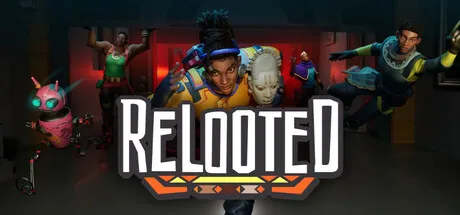
Relooted positions you as part of a crew working to liberate 70 real African artifacts of immense cultural, historical, and spiritual significance. Your team consists of everyday citizens from different African countries, each bringing their normal career skills to this extraordinary mission. The Africanfuturist setting imagines a future Johannesburg as your operational base, blending speculative design with cultural authenticity.
The heist structure emphasizes planning over pure action. You'll solve puzzles and position teammates strategically before executing the actual theft. Once you grab an artifact, the countdown begins and Nomali's flow-based parkour abilities become your escape mechanism. The gameplay promises that montage-movie feeling where everything clicks together perfectly, assuming you invested proper effort during preparation. Slack on planning and the extraction phase becomes significantly more stressful.
The game's focus on real artifacts grounds the action in genuine historical injustices. These aren't fictional treasures but actual objects taken from communities where they held deep meaning. Relooted transforms a heist game into something with actual stakes beyond entertainment, asking players to engage with the cultural significance of what they're recovering while delivering the tactical satisfaction of a well-executed plan.
Romeo Is A Dead Man
Platforms: PC, PS5, Xbox Series X/S
Release Date: February 11, 2026
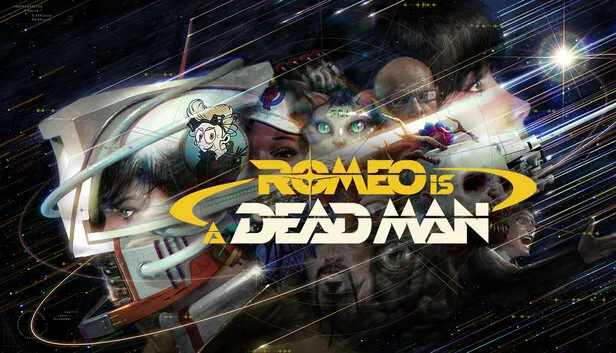
Grasshopper Manufacture returns with their first brand-new title in years, and they're bringing every ounce of their signature unpredictability. Space-time itself has shattered, and Romeo Stargazer finds himself on the edge of death before super technology revives him as a special agent for the FBI's Space-Time Police. The premise reads like a fever dream collision of sci-fi concepts, exactly what you'd expect from this studio.
Romeo's mission spans the cosmos hunting criminals exploiting the space-time catastrophe, but his personal quest revolves around finding his missing girlfriend Juliet. Her disappearance connects directly to the destruction of space-time itself, creating narrative threads that intertwine the cosmic with the intimate. Donning the Deadgear mask, Romeo wields both swords and guns in combat that Grasshopper describes as "a new kind of bloody action."
The combat system centers on absorbing enemy blood to unleash Bloody Summer, Romeo's special attack capable of reversing desperate situations. This mechanic becomes essential as you face increasingly powerful space-time criminals across multiple chapters. Weapons strengthen and transform throughout the story, adapting to escalating threats. Side missions provide pacing options for players who want breathing room between intense battles.
The third-person action adventure structure allows Grasshopper to showcase decades of development experience while pushing into fresh territory. Expect the unexpected, trust nothing, and prepare for a narrative that deliberately defies conventional storytelling. Romeo's journey to the edges of space-time promises exactly the kind of audacious creativity this studio has built its reputation on.
Happenings in the Gaming World
Korean Developer Nexon Takes on StarCraft Project
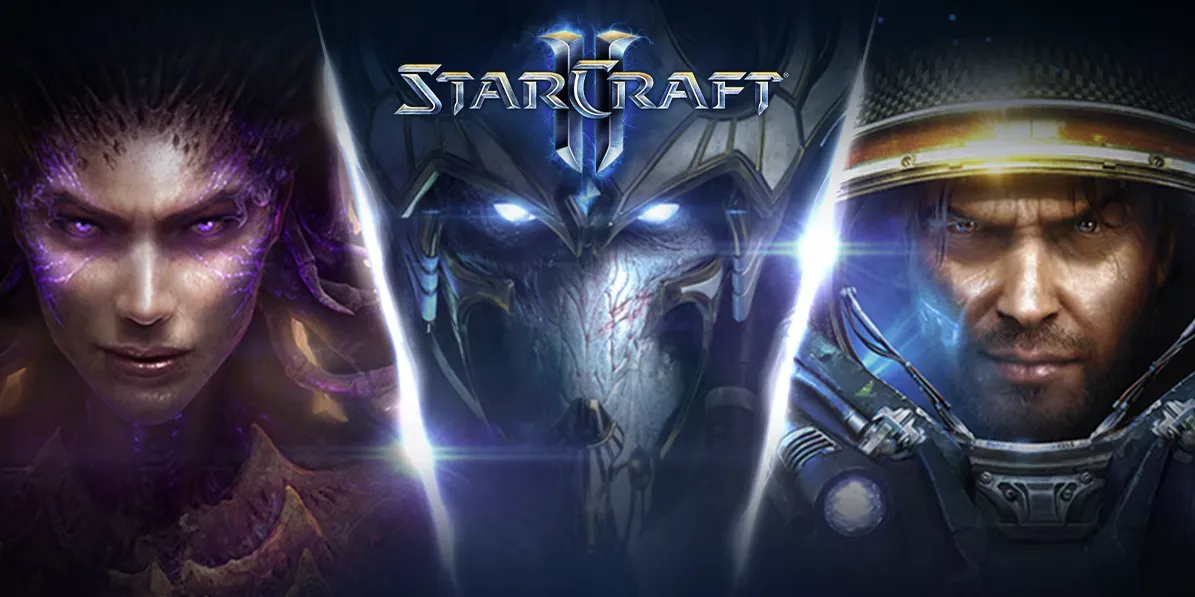
Blizzard's dormant StarCraft universe might finally see new life through an unexpected partnership. Korean publisher Nexon, the studio behind Arc Raiders, Dave the Diver, and The First Descendant, has reportedly entered full-scale development on a StarCraft project. According to Korean outlet DNews, Nexon signed a content development agreement with Blizzard, with the project housed at their Shooter Division, the team responsible for the long-running Sudden Attack series.
The involvement of Choi Jun-ho adds interesting context. The StarCraft modder gained recognition for creating Temple Siege, a custom MOBA-like map that demonstrated deep understanding of the franchise's strategic DNA. He'll serve as lead planner for this mysterious project. Nexon declined to confirm their involvement when DNews reached out.
This follows early 2025 reports that four major Korean developers pitched for StarCraft development rights. NC Soft, NetMarble, Krafton, and Nexon all competed, with some traveling to the United States for in-person presentations. Proposed genres ranged from RPGs to mobile titles, with Nexon pitching something described as "unique."
Blizzard has attempted twice before to expand StarCraft beyond real-time strategy. StarCraft: Ghost, the announced but cancelled tactical stealth game, represented one effort. A first-person shooter codenamed Ares reportedly met similar fate in 2019. Bloomberg's Jason Schreier noted in his book Play Nice that Blizzard was making a third shooter attempt with former Far Cry executive producer Dan Hay leading the charge.
The last official StarCraft release was the 2017 remaster of the original 1998 game. If Nexon's project reaches completion, it could revitalize a franchise that defined competitive gaming but has remained largely dormant for nearly a decade.
Discord Implements Teen-By-Default Settings with Age Verification
Discord is restructuring its safety approach with teen-by-default settings rolling out globally in early March 2026. The platform will require age verification for full access to restricted servers, certain message requests, and sensitive content. This represents Discord's most comprehensive safety overhaul since launch.
All new and existing accounts will automatically receive teen-appropriate settings. These include updated communication parameters, restricted access to age-gated spaces, and content filtering designed to preserve both privacy and meaningful connections. The update begins phased rollout in March, at which point users may need to choose between facial age estimation through AI-analyzed video selfies or submitting identification to Discord's vendor partners.
Discord will also deploy an age inference model using account tenure, device and activity data, and aggregated community patterns. Global head of product policy Savannah Badalich emphasized to The Verge that private messages and message content remain excluded from this process.
The timing follows October 2025's security breach involving a third-party customer service provider. The hacker accessed information from limited users who contacted Discord through support channels, with approximately 70,000 users potentially having government-ID photos exposed during age-related appeals.
These measures arrive after Discord implemented age verification in regions affected by the UK's Online Safety Act. Australia's recent under-16 social media ban doesn't currently apply to Discord, but the platform is clearly taking proactive steps to address safety concerns before potential regulatory expansion.
Game Developers Denounce Google's Project Genie as "Plagiarism Engine"

Google's January 29, 2026 rollout of Project Genie sparked immediate backlash from game developers worldwide. The experimental research prototype, powered by Genie 3, Nano Banana Pro, and Gemini AI, lets users generate and edit interactive environments and characters through prompts or images. Google positions this as revolutionary. Developers see something far more troubling.
Share prices for major game companies including Roblox, Take-Two, CD Projekt, and Unity dropped following the announcement. The Verge's Jay Peters immediately demonstrated Project Genie generating near-identical copies of Nintendo properties like The Legend of Zelda: Breath of the Wild, Super Mario 64, and Metroid Prime. Google DeepMind project manager Diego Rivas confirmed Genie 3 was "trained primarily on publicly available data from the web," a statement that raises obvious questions about copyright and unauthorized scraping.
Martin Binfield, director at Abandoned Sheep (Schrodinger's Cat Burglar), told This Week in Videogames that "The fact that the videos have featured licensed characters shows the depths of unauthorised data scraping required to fuel this plagiarism engine." He described the technology as essentially sophisticated autocomplete at breathtaking scale, though inefficient and environmentally destructive.
Vlambeer co-founder Rami Ismail delivered perhaps the harshest assessment. He called Project Genie "a deeply unpleasant and messy abomination" that tries to infer gameplay from videos rather than actually creating games. His comparison was particularly cutting: watching YouTube videos of buggy games while pressing keys on an unconnected keyboard. Ismail expressed doubt about whether the technology could ever coherently merge media, code, and human intent into actual interactive experiences.
Google warned users that generated worlds might not look realistic, may ignore prompts and real-world physics, could experience latency issues, and only remain active for 60 seconds. The service costs $250 monthly through Google AI Ultra subscriptions. Whether Project Genie represents innovation or exploitation remains a fierce debate that will likely intensify as the technology develops.
That wraps up our February week two spotlight! What caught your attention from this batch of releases? The blood-soaked horror of Crisol, the tactical depth of Mewgenics, the cultural mission of Relooted, or Grasshopper's space-time chaos? And if nothing grabbed you here, perhaps esports is more your speed. We cover tournaments for Dota 2 and Counter-Strike 2 with comprehensive analysis and tournament predictions.
You can also try our Pick'ems system that lets you predict match outcomes for a chance to win expensive items and skins from the Steam marketplace.
Interested?Give it a shot.
ChaiViz
14.02.2026
Reviews
Blog TAGS
New Games 2026
Crisol: Theater of Idols
Mewgenics
Relooted
Romeo Is A Dead Man
News Feed
Loading...
Loading...
Loading...
Loading...
Loading...
Loading...
Loading...
Loading...
Loading...
Loading...