ChaiViz
29.12.2025
Winning a CS2 Major sounds like a financial jackpot, but the reality of professional player earnings tells a different story. When Cloud9 claimed victory at a Major, Tarik walked away with roughly $70,000 after organizational cuts and taxes from a $500,000 first-place prize pool. That surprising figure reveals a fundamental truth about CS2 economics: tournament winnings make headlines, but salaries, sponsorships, and sticker revenue pay the bills.
The competitive scene operates on a tiered salary system that rewards elite performance while leaving lower-tier players grinding for opportunity. Tier 1 players command monthly salaries between $5,000 and $80,000, though the upper end remains exclusive to established superstars. Examples from 2022 show ZywOo earning approximately $40,000 monthly while s1mple commanded $50,000, though these figures have evolved as the scene continues to grow. NiKo now reportedly leads the pack at $95,000 per month with Falcons, a team known for aggressive player investment and championship aspirations.
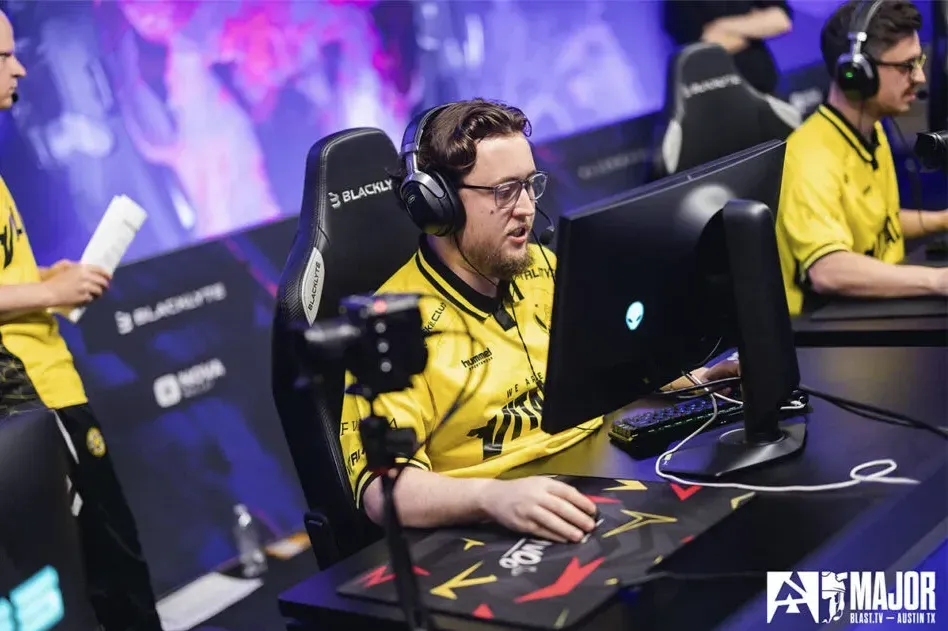
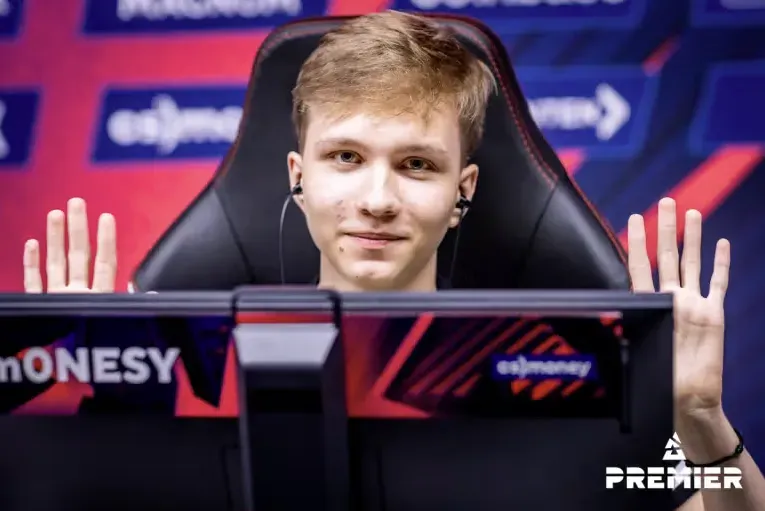
Rising talents like donk and m0nesy are projected to break the $80,000 barrier as their careers develop. Their combination of raw skill, tournament results, and marketability positions them as the next generation of premium earners. The path from prospect to superstar directly correlates with salary growth, making consistent performance the foundation of financial security.
Tier 2 and Tier 3 players face dramatically different circumstances. Monthly earnings typically range from $1,000 to $5,000, creating financial pressure that tests commitment to professional gaming. The 2022 Copenhagen Flames roster earned just $2,000 monthly despite reaching the top 8 at a Major, while GamerLegion players made approximately $5,000. These figures illustrate the volatile nature of lower-tier competition, where organizational stability and scouting opportunities determine career trajectories.
Tournament prize pools distribute across multiple parties before reaching player bank accounts. A $1,000,000 Major awards $500,000 to the winning team, but that sum faces immediate division. The prize money splits between players and coaching staff (typically six people total), then organizations take their contractual percentage, followed by management cuts and tax obligations. This multi-layered reduction explains why Tarik's Major victory yielded approximately 18% of the original prize pool, or roughly $90,000 before taxes.
Prize money creates publicity and validates competitive achievement, but the real financial windfall from Major victories comes from sticker revenue. When teams reach Majors, their team and player stickers become available for purchase in-game, generating substantial income that often exceeds prize pool earnings. This revenue stream explains why Major qualification matters beyond trophy presentations and why organizations invest heavily in reaching these tournaments.
Consistent tournament performance combined with Major sticker sales generates career-defining wealth. The top four earners in CS2 history demonstrate this principle through sustained excellence across multiple years and organizations.
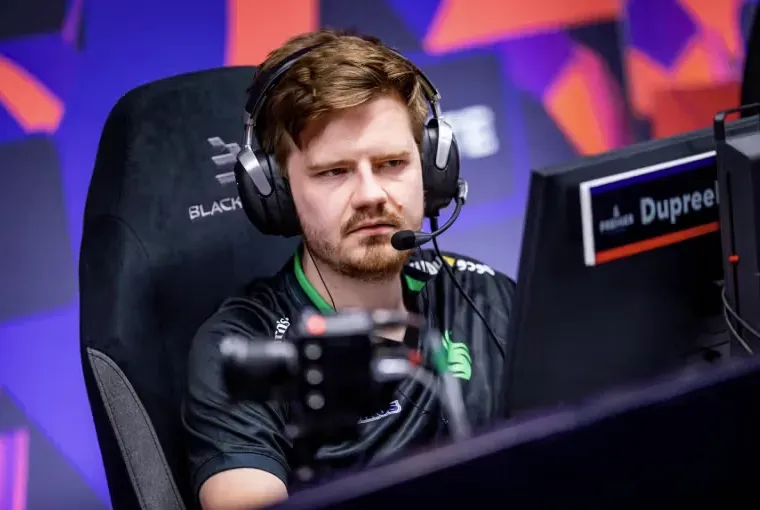
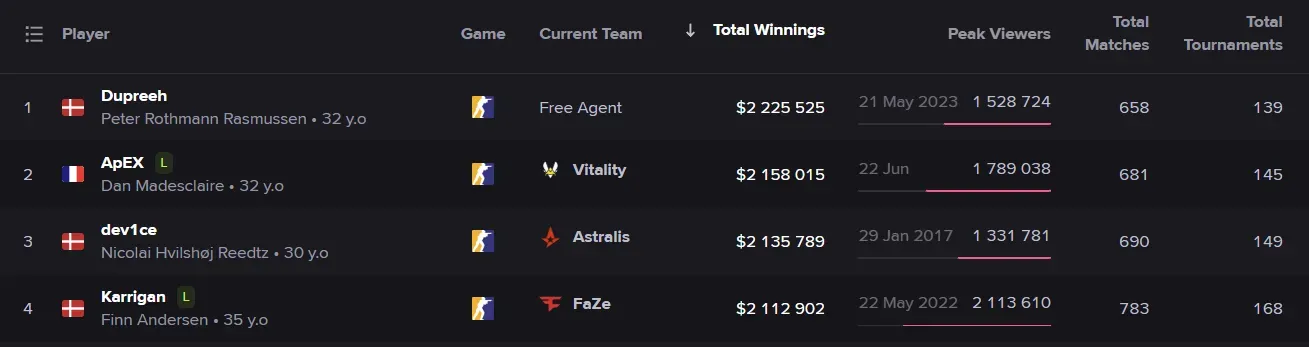
🥇 Dupreeh leads the all-time earnings list at $2,225,525, accumulated across 658 matches and 139 tournaments. His five Major victories contributed significantly through both prize pools and lucrative sticker sales, cementing his status as the wealthiest player in Counter-Strike history.
🥈 ApEX sits just behind at $2,158,015, earned through 681 matches spanning 145 tournaments. His longevity with Vitality and consistent Major appearances showcase the value of organizational stability combined with championship-level performance.
🥉 Dev1ce holds third place with $2,135,789, collected across 690 matches and 149 tournaments. His career trajectory demonstrates how elite aim and strategic positioning translate directly into financial success at the highest level.
Karrigan rounds out the top four at $2,112,902, representing the most extensive competitive resume with 783 matches across 168 tournaments. His leadership with FaZe continues adding to career earnings that span over a decade of professional play.
The gap between these elite earners and average professionals highlights the concentration of wealth among proven champions who consistently reach Majors and unlock sticker revenue opportunities.
The gap between these elite earners and average professionals highlights the concentration of wealth among proven champions who consistently reach Majors and unlock sticker revenue opportunities.
Team sponsorships provide the operational foundation that enables professional competition. Organizations like Astralis and FaZe Clan secure partnerships with global brands including McDonald's, G FUEL, and Red Bull. These deals cover player salaries, travel expenses, training facilities, and premium equipment like gaming PCs, peripherals, and team apparel. While contract amounts remain confidential, multi-year agreements signal substantial financial commitments from sponsors seeking esports audience access.
Individual player sponsorships offer additional income streams for established professionals. Players like dev1ce and Karrigan attract personal endorsement deals with gaming peripheral manufacturers, energy drink companies, and lifestyle brands. These partnerships leverage player reputation and fan following to promote products directly to competitive gaming audiences. A player might become the face of a gaming mouse brand or partner with an energy drink company for promotional campaigns, generating significant financial rewards beyond team salaries.
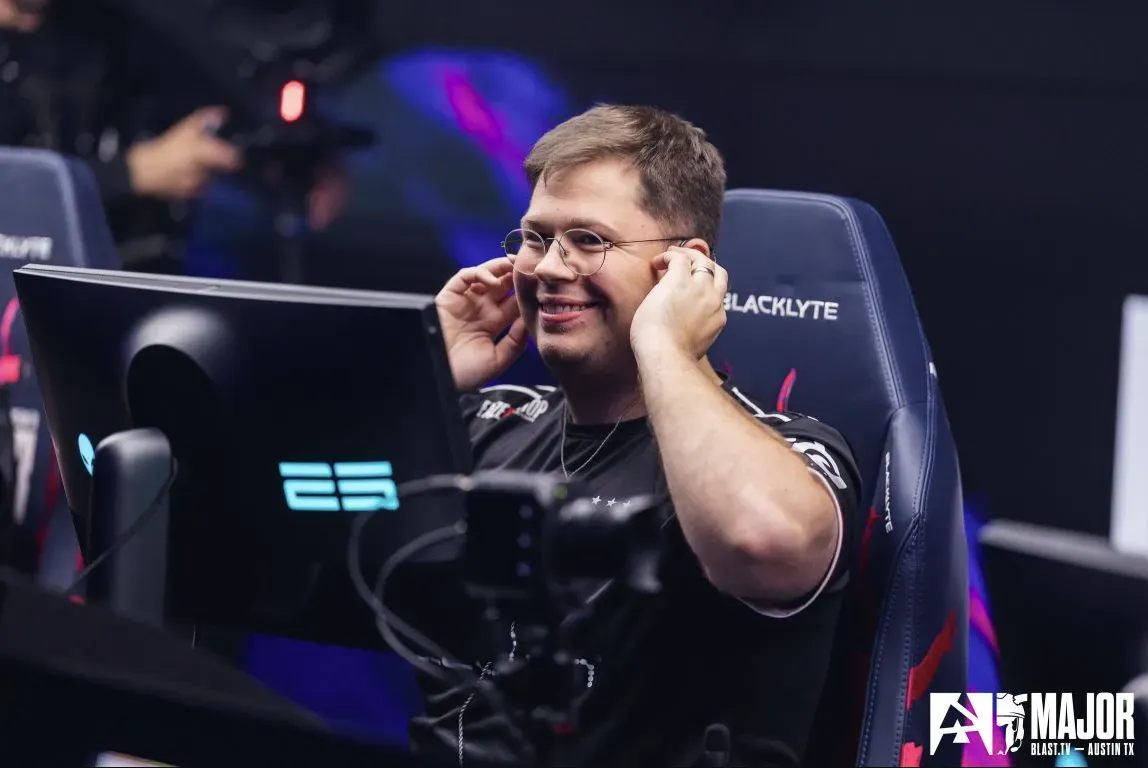
The combination of team salary, tournament earnings, sticker revenue, and personal sponsorships creates total compensation packages that separate elite professionals from lower-tier competitors. Top players benefit from multiple revenue streams that provide financial security even during performance slumps or roster changes. As one industry insider noted, salaries provide stability, but sticker revenue from Major appearances often proves far more lucrative for successful teams.
The future of CS2 player earnings depends on continued viewership growth, sponsor investment, and organizational stability. Young talents entering the scene today face better financial prospects than previous generations, but only sustained performance at the highest level guarantees long-term wealth in competitive Counter-Strike.
ChaiViz
29.12.2025
Article TAGS
News Feed


Stage 3 of the Budapest Major brings VRS-seeded elite teams face-to-face with the most chaotic Stage 2 survivor pool in recent memory, forcing Pick'ems players to recalibrate their "safe pick" strategies.
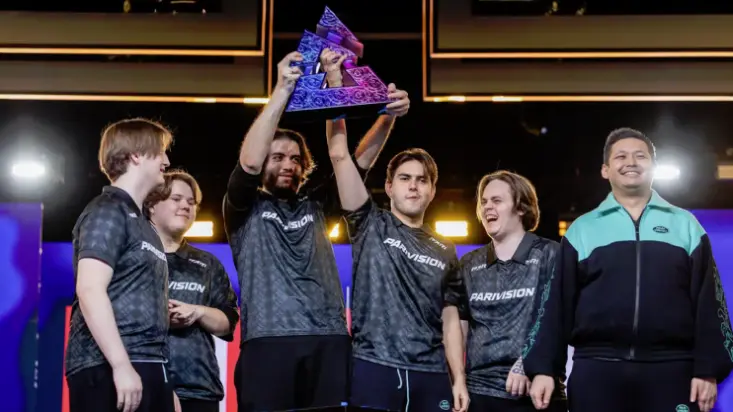
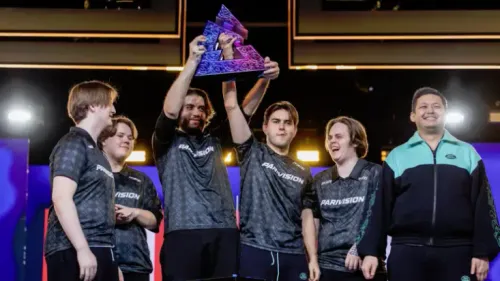
PARIVISION stunned the CS2 scene with a dominant BLAST Bounty 2026 run, defeating ENCE, Astralis, Spirit, and FURIA to reach their first tier-one grand final behind zweih's immediate impact.
ESL Pro League Season 23 Stage 2 opens with G2, MOUZ, Spirit, and MongolZ storming to 2-0, while FaZe's back-to-back defeats and a stunning paiN upset leave the European giants staring down elimination pressure.
PGL Bucharest 2026 opens its Swiss Stage on April 3 with eight Round 1 matchups that will define early Pick'ems standings at one of CS2's most significant A-Tier events of the year.

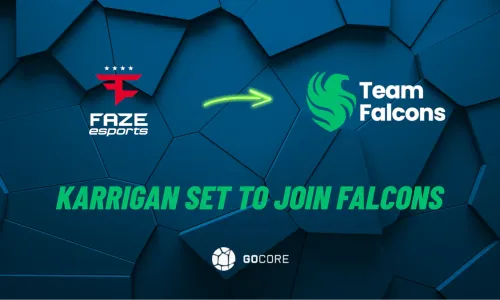
Veteran in-game leader karrigan is reportedly bound for Team Falcons following IEM Rio, with the move corroborated by multiple credible sources including HLTV.
Round 4 and Round 5 of ESL Pro League Season 23 Stage 1 reshuffled the playoff picture entirely, with stunning collapses and clutch recoveries deciding who advances to Stage 2. Here is the full breakdown of every result and what it means for your Pick'ems standings.
NAVI claimed the ESL Pro League Season 23 title through superior economy management and CT side discipline, while FUT and Astralis delivered the upsets that shattered most Pick'ems brackets. Here is what happened, what the guide got right, and what it missed.
Master the essential positions, smoke lineups, and utility setups that define professional play on Mirage's A bombsite to improve your match analysis and betting decisions in competitive CS2.
BLAST Rivals 2026 kicks off right after IEM Rio, and your Pick'ems decisions start now. Here is how to build a winning group stage strategy before the first map is played.
Vitality delivered. PARIVISION surprised. Here is how PGL Cluj-Napoca 2026 played out and what it means for your GoCore Pick'Ems rankings going forward.